

Introduction
The FCC General Radiotelephone Operator License (GROL) is a foundational credential for avionics technicians and professionals aiming to advance their careers in aviation electronics. Passing the GROL license exam on the first attempt not only accelerates career progression but also demonstrates technical competency in a competitive field. Achieving this, however, demands a deliberate and methodical approach to preparation, emphasizing evidence-based strategies, critical review, and persistent practice. The following discussion outlines the top five study tips designed to help candidates succeed in the GROL test, integrating best practices in learning science with targeted exam strategies, while also linking to essential resources and GROL license requirements.
1. Structure Your Study Plan With the End in Mind
Success on the FCC GROL license exam begins with a clearly defined study plan that breaks the content into manageable sections, such as FCC rules (Element 1) and radio electronics (Element 3). Setting milestones and deadlines for each section—rather than “cramming”—ensures deeper encoding and long-term retention of complex concepts. Consistent, distributed practice has been shown to significantly outperform last-minute studying in knowledge acquisition and recall, particularly for technical subjects.
To further enhance your preparation, utilize structured resources such as the FCC GROL study guide and targeted exam outlines. Realistically, the path to mastery is rarely linear, and setbacks should be anticipated as part of the process, not as an endpoint.
2. Practice With Purpose Using Realistic Test Simulations
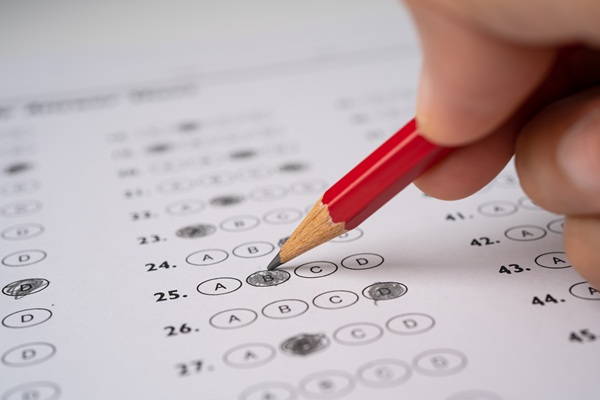
Repeated exposure to exam-like questions is indispensable. Research on high-stakes technical exams consistently highlights the value of retrieval practice—actively recalling information, rather than passively rereading or highlighting. Using an FCC GROL practice test not only familiarizes you with exam format and question styles but also allows you to identify gaps in knowledge and remediate weaknesses.
The most effective learners transform mistakes into learning opportunities, revisiting both correct and incorrect responses to reinforce understanding. In the final week before the test, increase the frequency of practice exams under timed conditions. When the clock is ticking and the stakes feel real, you will train your mind not only to recall but also to perform.
3. Engage in Active Learning and Concept Mapping
The GROL license exam assesses both rote memorization and conceptual understanding. Employing active learning strategies, such as summarizing key topics in your own words, drawing diagrams of radio frequency circuits, or explaining rules aloud, promotes deeper processing and strengthens neural pathways related to technical knowledge. Concept mapping—visually linking related ideas—can clarify complex topics like modulation, frequency allocation, and transmitter operation.
Moreover, discussing topics with peers or instructors, whether through online forums or study groups, can illuminate alternative viewpoints and expose you to common misconceptions. The best preparation sometimes happens when you explain concepts to someone else and realize the gaps in your own understanding. Even in moments of self-doubt, pressing on through confusion can be the difference between average and exceptional performance.
4. Utilize Authoritative and Comprehensive Resources
The importance of reliable, up-to-date resources cannot be overstated. Rely on materials developed by recognized institutions and industry leaders, such as a comprehensive GROL license exam preparation course, to ensure your study is aligned with current regulations and exam requirements. Cross-reference technical information with the official FCC Elements 1 and 3 outlines to guard against outdated or inaccurate content.
It is tempting to seek shortcuts or popular summaries online, but these sources often omit critical details. Invest time in official guides and consider enrolling in a formal FCC GROL training course, especially if your background in electronics or regulatory policy is limited.
5. Monitor Progress and Adjust Strategies Proactively
Regular self-assessment is vital to effective exam preparation. After each study session or practice test, reflect on which areas felt most challenging and why. If your understanding of specific topics—such as modulation schemes or FCC rules—remains shallow, adjust your strategy: revisit foundational materials, seek out additional practice, or connect with an instructor for clarification.
A well-designed feedback loop is essential. The most resilient candidates recognize that adaptability, rather than rigid adherence to an initial plan, often distinguishes those who pass on their first attempt from those who do not. This process is less about grinding through pages of content and more about crafting an intelligent, evolving approach. The journey, though demanding, is within your reach with the right combination of discipline, critical review, and resourcefulness.
Conclusion
Acing the GROL license exam on your first try is achievable through deliberate preparation, active engagement with content, and adaptive strategies. By structuring your study, practicing retrieval, embracing active learning, leveraging authoritative resources, and constantly monitoring progress, you can enter the exam room with confidence and competence. If you are ready to begin, you can register for the GROL license exam here and access the resources you need for success. The road to certification is rigorous, but with these evidence-based strategies, you will be positioned not just to pass, but to excel.