

Burnout among maintenance professionals, particularly those in aviation maintenance technician training and related sectors, is a persistent and pressing issue. The intense demands, irregular hours, and technical complexity inherent to aviation maintenance not only challenge physical stamina but also erode psychological well-being. As organizations strive to address workforce shortages and maintain safety standards, ensuring a healthy work-life balance for aircraft maintenance technicians (AMTs) and avionics professionals has become paramount. This essay critically examines the factors contributing to burnout, reviews strategies for effective work-life balance, and evaluates the role of professional development—including obtaining credentials such as Aircraft Electronics Technician (AET) certification—in mitigating burnout risks.
The Reality of Burnout in Aviation Maintenance
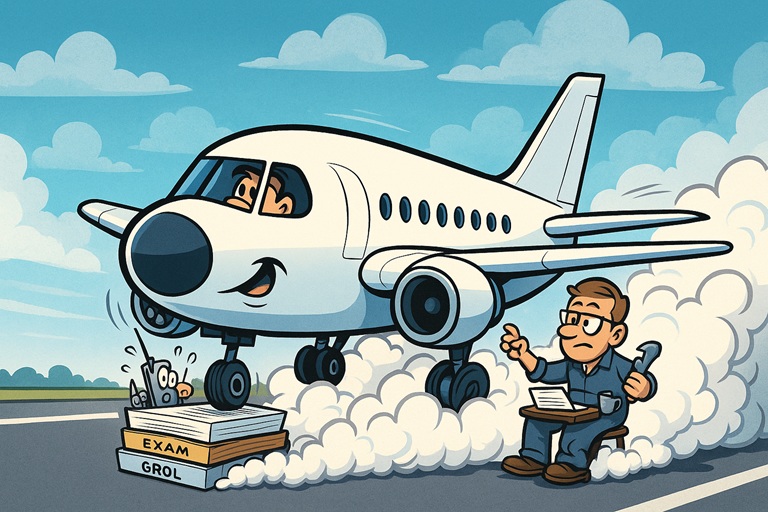
The maintenance environment is unique in its blend of high-stakes responsibility and relentless schedules. Studies consistently indicate that fatigue, stress, and job dissatisfaction correlate strongly with reduced job performance and increased error rates among aircraft mechanics and avionics technicians (aviation maintenance technician certification). The psychological toll is amplified for those pursuing advanced qualifications, such as the FAA Airframe & Powerplant (A&P) certification or GROL license, given the rigorous training, high-stakes exams, and ongoing continuing education requirements.
At the same time, the culture of aviation maintenance often glorifies endurance over wellness. Professionals are sometimes subtly encouraged to “push through” fatigue and forego rest—habits that eventually fuel emotional exhaustion and depersonalization. When left unchecked, these conditions can precipitate both individual health crises and systemic safety failures. The darkness creeps in not with a roar, but quietly—missed meals, truncated sleep, and isolation slowly dismantle resilience. It’s in the routine silence of a late-night hangar where the first seeds of burnout take root, growing unnoticed until they threaten the entire system.
Strategies for Promoting Work-Life Balance
To counteract burnout, a holistic approach to work-life balance is required, encompassing organizational policies, individual behaviors, and ongoing professional growth.
1. Organizational Policies
Leading aviation organizations increasingly recognize the value of employee well-being. Instituting flexible shift schedules, mandatory rest periods, and proactive mental health support are evidence-based interventions that demonstrably reduce burnout risk. By fostering a culture of open communication and psychological safety, maintenance teams are empowered to voice concerns and seek help without fear of stigma.
2. Professional Development as Burnout Prevention
Engagement in structured training and certification programs—such as aviation maintenance technician training or AET certification training program—can serve as a buffer against occupational stress. Purposeful learning, goal setting, and skills mastery foster a sense of progress and self-efficacy, which are crucial psychological defenses against burnout. For example, enrolling in a NCATT AET exam prep course or an A&P mechanic license training program can transform stress into motivation by providing clear milestones and tangible rewards.
Yet, it’s not just about amassing credentials. Effective programs emphasize community, mentorship, and practical support—elements shown to enhance both job satisfaction and retention. For those considering transition from military to civilian aviation careers, targeted programs such as aviation maintenance training for veterans offer a structured path forward, integrating real-world experience with formal certification.
3. Personal Agency and Self-Care
Research underscores the importance of individual strategies in maintaining balance. Practices such as goal-oriented time management, deliberate rest, and regular physical activity are linked to improved mood, cognition, and resilience. Maintenance professionals are encouraged to establish boundaries that protect personal time and to seek out resources—whether through counseling, peer support, or professional networks. In truth, sometimes the most courageous act is not pushing harder, but stepping back, reassessing, and investing in personal well-being. And yes, sometimes you have to choose sanity over overtime.
Barriers and Critical Reflections
Despite available resources and evolving best practices, systemic barriers persist. The pressures of workforce shortages, economic constraints, and deeply embedded industry norms often impede the full realization of work-life balance. Moreover, the promise of advancement through additional certifications—such as GROL license requirements or Foreign Object Elimination training—can inadvertently contribute to stress if pursued without adequate support. In moments of honest reflection, it becomes clear: resilience is not about superhuman endurance but about cultivating systems that honor both human limits and professional excellence.
Conclusion
Avoiding burnout among maintenance professionals is not simply a matter of individual willpower; it requires an integrated strategy that values employee well-being, supports ongoing professional growth, and dismantles structural barriers to balance. The pursuit of certifications such as AET, A&P, and GROL can serve as catalysts for career satisfaction—if pursued within the framework of holistic well-being. Ultimately, sustainable excellence in aviation maintenance hinges not on relentless sacrifice, but on the quiet discipline of self-care, community, and the continual recalibration of priorities.