

Wings and Masks: Costume, Identity, and Aviation in Halloween Culture 🎃✈️
Introduction
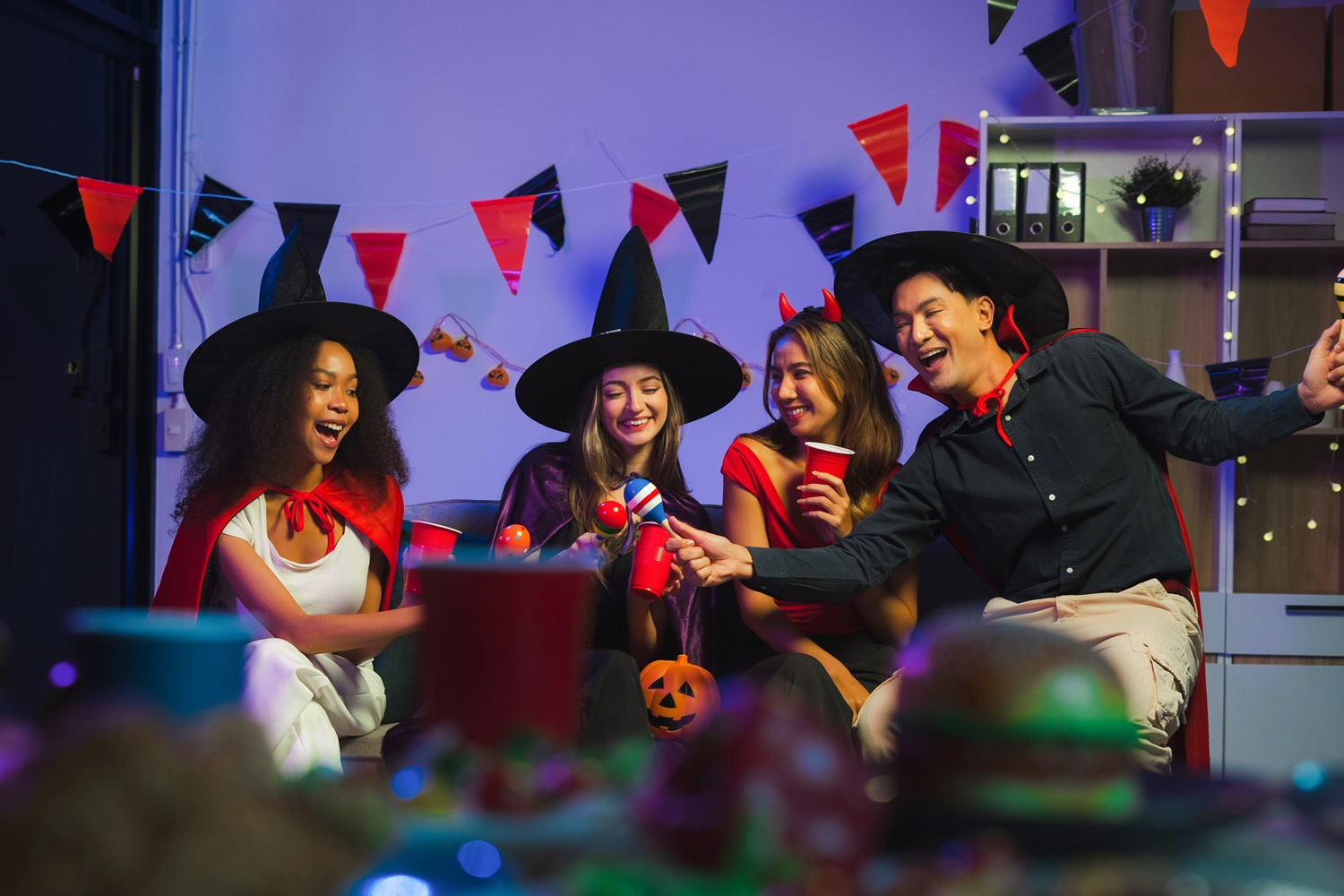
Every October, the skies are not just filled with autumn winds but with imagination. Halloween allows people to step into identities they may never embody in real life. Among the most enduring and popular choices are aviation-themed costumes—pilots, flight attendants, and even vintage aviators. These outfits are more than playful disguises; they reflect cultural ideas of adventure, authority, glamour, and freedom. The way aviation is represented through Halloween costumes tells us as much about society’s fascination with flight as it does about aviation itself.
Pilots as Heroes and Mythmakers
The pilot costume remains a Halloween staple because it symbolizes more than a uniform—it represents courage, mastery, and leadership. Much like superheroes, pilots are seen as figures who command the skies and embody trust. During Halloween, children and adults alike step into that role, transforming themselves into symbols of adventure. This mirrors how aviation professionals are respected in reality for their skill, training, and ability to carry lives safely through the air.
Yet there is also a simplification here: the crisp hat, wings, and epaulets reduce a complex and demanding profession into an image. In this way, Halloween costumes reveal both admiration and a tendency to romanticize aviation, echoing society’s longstanding fascination with the pilot as a larger-than-life figure (Smithsonian National Air and Space Museum, 2020).
Flight Attendants: Glamour, Service, and Stereotypes
Flight attendant costumes are another enduring choice. These often emphasize glamour or stylized uniforms, reflecting an image rooted in mid-20th-century aviation culture when airlines marketed attendants as icons of elegance. While playful, such costumes can also reinforce outdated stereotypes by downplaying the professionalism and safety responsibilities of flight attendants.
Halloween, however, provides a space for re-imagining. Costumes can celebrate the empowerment of aviation professionals, challenging past stereotypes by highlighting skill, adaptability, and global sophistication. Much like Halloween’s broader cultural role, costumes become tools for expressing both tradition and transformation.
Aviation Tropes in Popular Culture and Halloween
Aviation imagery—goggles, bomber jackets, wings, and sleek uniforms—has been deeply embedded in popular culture through film, advertising, and national identity. Halloween amplifies these images, giving individuals a chance to embody aviators of the past and future. From steampunk balloon pilots to futuristic space captains, the boundaries between fact and fantasy blur, echoing Halloween’s function as a holiday of imagination and identity play (Oxford Research Encyclopedia of Communication, 2018).
From Costumes to Careers: Taking the Uniform Seriously
Halloween costumes may capture the excitement of aviation, but real careers in flight require rigorous training and professional dedication. For those who dream of swapping a Halloween costume for the real uniform, education is the key. At Sprott’s School of Aviation, students gain the certifications and technical expertise necessary to move from playful imagination to professional identity. Here, the uniform isn’t a costume—it’s a symbol of achievement, safety, and mastery of the skies.
Conclusion
Halloween costumes of pilots and flight attendants show how aviation continues to inspire admiration and imagination. These costumes reflect society’s enduring fascination with freedom, travel, and adventure, while also raising questions about identity, representation, and stereotype. By examining the cultural meanings behind these costumes, we see how aviation is both celebrated and simplified in popular culture. For students ready to move beyond Halloween dress-up and step into a genuine career in aviation, the first step is clear: education and certification.
🎃 This Halloween, don’t just dress like a pilot—become one. Start your aviation journey at Sprott’s School of Aviation.
References
-
Smithsonian National Air and Space Museum. (2020). The allure of aviation uniforms. Retrieved from https://airandspace.si.edu
-
Oxford Research Encyclopedia of Communication. (2018). Identity, costume, and representation in popular culture. Retrieved from https://oxfordre.com