


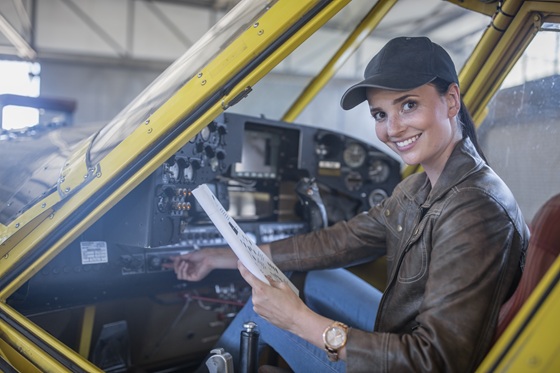
A Day in the Life of an Avionics Technician
What does it truly take to keep an aircraft’s complex electronic systems running safely and efficiently? For many, the world of avionics seems both mysterious and essential—a critical foundation beneath the fast-paced aviation industry. Whether you are considering becoming an avionics technician, interested in the Aircraft Electronics Technician (AET) certification, or simply curious about the day-to-day experiences in this career, understanding the nuances of the role is invaluable.
Early Morning: Preparation and Briefing
The day typically begins before sunrise. Avionics technicians arrive at the hangar, often greeted by the persistent hum of activity and the unmistakable scent of aviation fuel. They start with a thorough review of scheduled maintenance tasks, safety briefings, and updates on any ongoing technical issues. A clear plan is essential; every system and every tool must be accounted for before approaching a multi-million-dollar aircraft. According to one experienced technician from an online aviation forum, “You learn quickly that a missed detail can ground an entire fleet.”
Critical thinking becomes the first tool used every day, especially as avionics systems are ever-evolving. Here, a technician’s foundational knowledge—acquired through rigorous avionics technician training and ongoing professional development—is put to immediate use.
Midday: Diagnostics, Repairs, and the Unexpected
By late morning, the day’s real work is underway. Tasks range from routine inspections of navigation and communication equipment to troubleshooting intricate issues using advanced diagnostic tools. In a moment, the technician may shift from calibrating flight data recorders to investigating a sudden electrical anomaly. The stakes are high; even a single loose wire could compromise safety.
The need for deep technical accuracy and procedural discipline is evident in every step. Those who pursue AET certification training programs or aim to earn their FCC General Radiotelephone Operator License (GROL) know that staying ahead means never being complacent. Sometimes, a mystery presents itself that feels more like a puzzle than a problem—a test not just of skill, but of patience and ingenuity. Suddenly, there’s a sense of urgency. The world narrows, and the technician’s focus sharpens; here, precision is everything.
Afternoon: Collaboration and Learning on the Job
No avionics technician is an island. The afternoon is often filled with teamwork—coordinating with A&P certified mechanics, engineers, and flight crews to resolve complex issues and ensure each aircraft meets all safety and performance standards. In these moments, experience is measured not just by years, but by adaptability and a willingness to learn. As the afternoon unfolds, another layer of complexity emerges: sometimes, what you thought you fixed in the morning returns, stubborn and unresolved.
For military veterans transitioning into civilian roles, opportunities abound, especially with targeted aviation maintenance technician training programs and veteran-friendly aviation schools. The transfer of skills from military to civilian aviation is seamless for some, while others must adapt to new technologies and standards.
Evening: Documentation and Preparing for Tomorrow
As the day closes, meticulous documentation follows. Every inspection, repair, and observation must be logged in compliance with strict regulatory requirements. These records aren’t just paperwork; they are vital for safety, accountability, and future troubleshooting. This final ritual underscores a crucial lesson: in aviation, yesterday’s lessons are tomorrow’s safeguards.
Sometimes, the job is quiet—a time for reflection and preparation for the unexpected. Other times, a last-minute emergency will shatter any sense of routine, demanding everything you’ve got, right down to the wire. In this field, it’s not just about fixing problems, but anticipating them, preparing for what comes next.
Conclusion: Is This the Path for You?
What draws people to such a demanding, detail-driven profession? A career as an avionics technician offers not only a pathway to technical mastery but also a front-row seat to the marvels of modern aviation. Whether you are motivated by the challenge of earning your NCATT AET certification or exploring aviation maintenance jobs that make a tangible difference, one thing remains clear: each day in this field is as dynamic and vital as the industry itself.
If you are considering how to become an aircraft maintenance technician or are wondering about the true value of AET certification, perhaps the real question is: Are you ready for a career where the smallest detail can mean everything?