

Aviation Maintenance Myths: Separating Fact from Fiction
Is everything you hear about aircraft maintenance really true? In an industry built on precision, even minor misconceptions can have outsized consequences. The reality is that persistent myths about aviation maintenance not only cloud public understanding but may even impact how aspiring aviation maintenance technicians choose their career paths. Let’s examine some of the most common myths and replace fiction with fact, so you can make informed choices—whether you’re a veteran transitioning to civilian roles, a student considering A&P certification, or simply curious about the field. What assumptions about aviation maintenance have you believed until now?
Myth 1: “All Aircraft Maintenance is the Same”
One common misconception is that all aircraft maintenance tasks are interchangeable and require identical skills. In fact, the field is deeply specialized. Aviation maintenance spans airframe & powerplant (A&P) certification, Aircraft Electronics Technician (AET) certification, and advanced endorsements like Foreign Object Elimination (FOE). Each certification pathway demands unique expertise, exam preparation, and ongoing training. The difference between an A&P mechanic and an avionics technician is as significant as the distinction between a pilot and an air traffic controller.
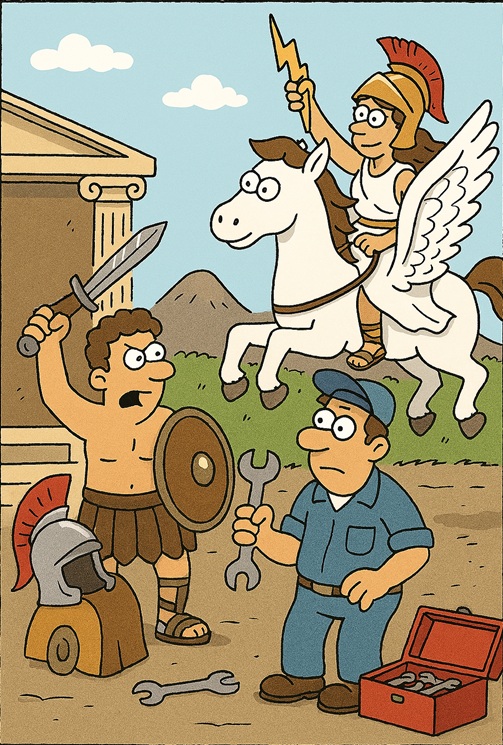
Myth 2: “Aviation Maintenance is Just ‘Wrench Turning’”
The image of the aviation mechanic as merely a “wrench turner” ignores the highly technical nature of today’s maintenance roles. Modern aircraft systems require proficiency in advanced electronics, computer diagnostics, and regulatory compliance. Preparing for the FCC General Radiotelephone Operator License (GROL) or mastering NCATT AET exam prep courses reflects a field that prizes both hands-on and analytical skills. As one user put it in a popular online forum: “You don’t just fix planes; you think like an engineer and act like a detective.”
Consider how aircraft maintenance technician (AMT) training now includes significant coursework in electronics, system troubleshooting, and risk assessment. The landscape has shifted, and with it, the definition of what it means to keep aircraft safe and airworthy.
Myth 3: “Certification is a One-Time Event”
Many newcomers assume that once you earn your FAA A&P certificate or complete an AET certification training program, your learning is done. In reality, ongoing education is fundamental. Regulatory standards, new technologies, and evolving safety protocols require that technicians continually update their skills. This perpetual learning is not a burden, but an opportunity—one that ensures both professional relevance and the highest standards of safety.
Anyone who believes maintenance is “set it and forget it” is in for a rude awakening; complacency is a dangerous companion in this industry. Every certification—whether it’s GROL, FOE, or A&P—represents a starting point for ongoing growth and responsibility.
Myth 4: “Military Experience Equals Automatic Certification”
Transitioning from military to civilian aviation maintenance can be challenging, and another myth is that military training automatically satisfies all civilian certification requirements. While military experience can provide a valuable foundation, civilian licensure such as the A&P mechanic license or AET certification still requires meeting FAA or NCATT standards. Many veterans enroll in aviation maintenance technician training programs designed to bridge these gaps and prepare them for the rigors of civilian licensing exams.
It’s a tough truth, but necessary: experience is invaluable, yet regulatory standards demand objective validation. The path to civilian certification is more marathon than sprint—persistence, not shortcuts, wins the race.
Myth 5: “Job Prospects Are Limited”
Some believe that aviation maintenance is a narrow field with few opportunities for growth. In reality, certified technicians are in high demand across commercial airlines, defense contractors, and private operators. The surge in aircraft complexity has led to a greater need for those with advanced certifications like AET and A&P. For those willing to invest in their education and seek out aviation maintenance jobs, the sky is quite literally the limit.
The journey is demanding, but those who excel find themselves at the forefront of an essential industry, where precision, accountability, and ongoing training define the work.
Conclusion: What Will You Choose—Fact or Fiction?
Aviation maintenance is a world apart from the myths that surround it. With the right training, such as enrolling in a top-tier aircraft maintenance training program or preparing for critical certifications, today’s technicians stand at the nexus of technology and safety. Will you allow misconceptions to limit your aspirations, or will you seek out the truth and invest in a career that makes a difference?
The difference between truth and myth is more than just accuracy—it’s the foundation of safe flight, rewarding careers, and progress for the entire industry.