


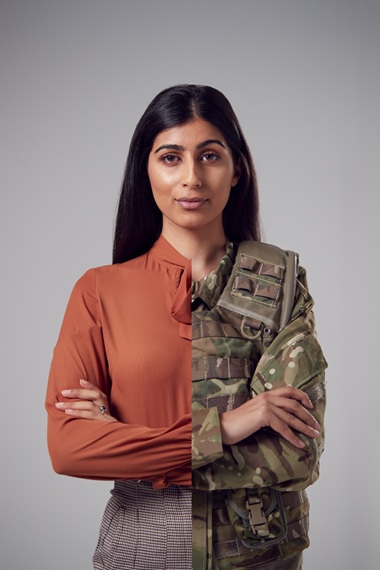
Transitioning from a military radio operator role to a civilian career in aviation maintenance or avionics is a pivotal moment—marked by both challenge and opportunity. The Federal Communications Commission (FCC) General Radiotelephone Operator License (GROL) stands out as a critical certification for veterans seeking to leverage their military experience in the civilian workforce. The path from handling secure, mission-critical communications in the military to earning the FCC GROL can be transformative, opening doors in the aviation, maritime, and telecommunications sectors. This essay offers comprehensive transition tips, integrating scholarly perspectives and practical advice, with a focus on the unique strengths military radio operators bring to the table.
Understanding the FCC General Radiotelephone Operator License (GROL)
The FCC General Radiotelephone Operator License (GROL) is a foundational certification for technicians operating and maintaining radio, radar, and communication systems in aviation and other industries. Unlike many military qualifications, the GROL is a civilian credential recognized by the Federal Communications Commission and is required for many positions involving radio communications, especially in avionics. For those transitioning from military service, understanding the GROL license requirements and preparing for the FCC Element 1 and Element 3 exams is the first critical step.
Many veterans find that their military training aligns well with the technical content of the GROL exams, particularly the electronics and radio frequency (RF) concepts. However, success requires adapting to the specific structure, terminology, and regulatory content unique to civilian licensing. The FCC GROL study guide and GROL license exam preparation resources provide invaluable support, ensuring familiarity with exam expectations and regulatory frameworks.
Leveraging Military Experience
Military radio operators often possess advanced technical skills, practical troubleshooting experience, and a disciplined approach to learning—qualities highly valued in civilian aviation maintenance. One key transition tip is to translate military communications experience into civilian terminology, explicitly linking military competencies to the language of the FCC GROL and broader aviation industry standards.
For example, military training on secure communications and frequency management can be mapped directly onto the FCC’s technical requirements for commercial aviation. Veterans should document and articulate their experience with radio communication systems, preventive maintenance, and emergency procedures when preparing resumes or pursuing training programs. This strategic translation ensures that military experience is clearly understood and appreciated by civilian employers.
Sometimes, the difference between success and mediocrity is the ability to communicate past achievements in ways that resonate with a new audience. In transition, clarity is power.
Structured Preparation and Credentialing Pathways
Preparation for the GROL exam should be systematic and intentional. Many veterans benefit from structured GROL license exam preparation courses, which focus on bridging knowledge gaps and reinforcing regulatory understanding. These courses often include practice exams, technical refreshers, and targeted reviews of FCC rules. Access to an FCC GROL practice test is particularly beneficial for familiarizing oneself with the exam format and question style.
For those seeking a holistic training experience, consider enrolling in an FCC GROL training course or leveraging resources specifically tailored for military veterans. These programs frequently address both the technical and administrative steps required for successful certification. Veterans may also explore aviation training for military veterans and GI Bill aviation training programs to offset costs and maximize educational benefits. To begin the certification process, veterans can directly register for the GROL through reputable platforms such as Sprott Learning.
If you think the civilian testing process will mirror the military system, think again. The rules are different, the language is new, and the responsibility is squarely on your shoulders to make the adjustment. It’s not about what you already know; it’s about learning to prove it, under pressure.
Integrating Additional Certifications and Advancing Career Prospects
Beyond the GROL, veterans should consider additional certifications that amplify employability, such as the Aircraft Electronics Technician (AET) certification or the FAA Airframe & Powerplant (A&P) certification. Each credential serves as a building block, creating a robust professional portfolio for those pursuing aviation maintenance or avionics careers. Comparing AET vs. A&P certification can help clarify career trajectories and ensure alignment with personal strengths and interests.
Military radio operators should evaluate aviation maintenance technician training programs and explore pathways that recognize military experience, such as the FAA A&P with military experience (military competency) option. For those committed to continuous advancement, reviewing all available aviation courses is recommended.
It’s not enough to rest on one’s laurels or expect special treatment because of military service. The civilian world is competitive. You must bring your best, pursue every opportunity, and keep pushing forward. The discipline and adaptability honed in the military are your greatest assets—use them.
Conclusion
The journey from military radio operator to FCC GROL holder is not merely a change in title—it is a testament to adaptability, technical expertise, and lifelong learning. By leveraging military training, strategically preparing for the FCC GROL exams, and pursuing further certifications, veterans can successfully transition into high-demand civilian roles. The aviation industry, in particular, values the unique skills veterans bring, provided they are willing to adapt, learn, and demonstrate their capabilities in new contexts. For those ready to begin, registering for the FCC GROL is the crucial first step toward a rewarding post-military career.