


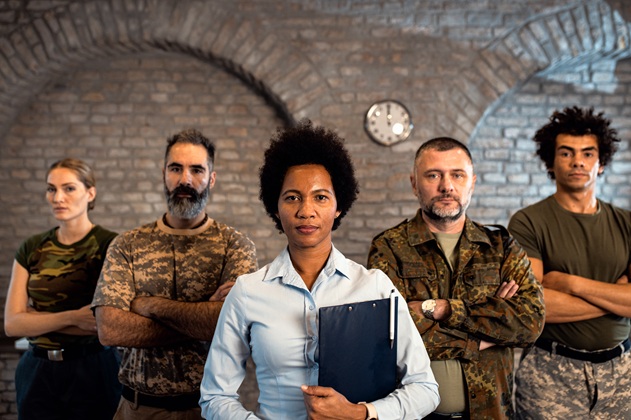
Aviation maintenance is a discipline defined by precision, safety, and adherence to rigorous standards. While the ultimate goal is universally shared—aircraft safety—there are substantial differences between military and civilian maintenance. These differences shape not only daily practices but also the pathways for individuals transitioning from military to civilian aviation maintenance roles. Understanding how these two worlds adapt their practices and standards is essential for anyone pursuing an aviation maintenance career path or seeking certifications such as the FAA Airframe & Powerplant (A&P) certification.
Comparative Practices in Maintenance
Military maintenance is distinguished by its mission-driven urgency, hierarchical command structure, and standardized procedures designed for operational readiness, often under demanding conditions. In contrast, civilian maintenance emphasizes compliance with FAA regulations, customer service, and cost efficiency, functioning within a regulatory framework that prioritizes public safety and economic sustainability. Where the military expects adaptiveness and rapid problem-solving in the face of limited resources, civilian environments favor predictable, scheduled maintenance routines, and adherence to manufacturer guidelines.
Both sectors depend on comprehensive training, yet military technicians often receive a broader skill set due to the unpredictability of their missions. For those considering transition, pursuing an Aircraft Electronics Technician (AET) certification or exploring Foreign Object Elimination (FOE) endorsement can facilitate adaptation to civilian expectations and regulatory requirements.
Adapting Standards and Expectations
Standards in the military are set by technical orders and Department of Defense directives, designed to ensure operability under extreme conditions and potential conflict. The expectation is zero tolerance for error—each procedure is meticulously documented, and accountability is woven into the culture. In civilian maintenance, the Federal Aviation Administration (FAA) governs procedures, requiring documentation that ensures traceability, auditability, and compliance with commercial regulations. The contrast is stark; while both systems demand technical proficiency, the context and rationale for procedures differ significantly.
Consider this: in the field, a military technician might improvise a temporary repair to keep a mission on schedule, knowing a more permanent fix will follow at base. In the civilian sector, such improvisation is rarely permissible—maintenance records must meet stringent audit standards, and deviations from protocol can lead to severe penalties.
Transitioning from Military to Civilian Maintenance
For many veterans, the shift to civilian aviation maintenance can feel like stepping into a new world. Skills are transferable, but the application of those skills often demands new certifications and a reorientation to commercial practices. Veteran to civilian aircraft mechanic pathways, including leveraging the A&P license requirements, allow former military personnel to validate their experience and expertise in a new regulatory environment.
In the civilian sphere, process is everything. Unlike the chaos and urgency of military operations, civilian maintenance is built around routine, documentation, and standardization. The demand for accountability is relentless—a misplaced bolt or a skipped inspection can ground an aircraft and cost millions. There’s no room for improvisation; every move is by the book, and every technician is expected to not just know the book, but to live by it. That’s not bureaucracy—it’s survival.
The journey from the flight line to the hangar floor isn’t just about changing uniforms. It’s about learning a new language—a language of compliance, record-keeping, and continuous learning. Transition programs, such as veteran-friendly aviation schools and targeted certification courses, are critical in helping service members bridge the gap and thrive in civilian roles.
Critical Analysis: Bridging the Divide
Despite their differences, military and civilian maintenance share core values: safety, reliability, and professionalism. Yet, the divide between them remains significant, particularly in the areas of regulatory oversight, permissible practices, and cultural expectations. This divide is not merely procedural but deeply psychological; the ability to adapt is not just a technical challenge, but a matter of mindset. A technician’s habits—shaped by years of military service—must be realigned to fit the exacting, rule-bound landscape of the civilian sector.
Some argue that the military’s ability to “get it done” in extreme situations cultivates a resourcefulness that is invaluable in civilian maintenance. Others warn that this same adaptability, if unchecked, can clash with the uncompromising demands of FAA compliance. The truth, as always, lies somewhere in between. Those who make the transition successfully do so by respecting the strengths of both systems—melding the military’s intensity with the civilian sector’s rigor.
There’s no shortcut here. Maintenance, whether under fire or under the bright lights of a commercial hangar, is a discipline earned through attention, repetition, and reflection. In the end, the standard isn’t set by a manual or a supervisor—it’s set by the quiet pride of a job done right, every single time.
Conclusion
The interplay between military and civilian maintenance reveals more than just procedural differences—it highlights the adaptability, discipline, and commitment required to sustain aviation safety. As more veterans seek careers in the civilian sector, the need for clear pathways, effective training, and mutual respect between systems grows ever more urgent. Whether you are considering how to become an aircraft mechanic, or seeking an AET certification training program, understanding both worlds is essential. Only by bridging the divide can we ensure the safety and reliability that define modern aviation.