


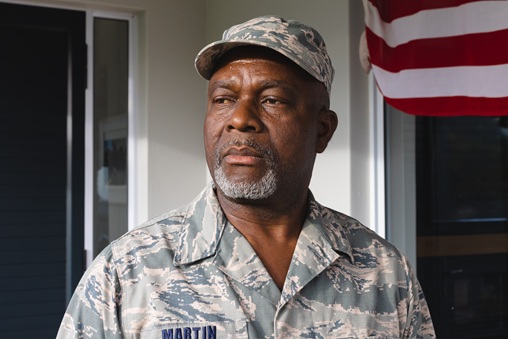
The transition from military service to civilian employment is a journey marked by unique challenges and opportunities. Among the most influential assets veterans bring to the workforce is a deep-rooted military work ethic—a combination of discipline, reliability, and commitment to excellence. In fields such as aviation maintenance, this ethic is not just valued; it is often a decisive factor for organizational success.
Understanding Military Work Ethic
The military work ethic is shaped by rigorous training, strict adherence to protocols, and a culture of accountability. Veterans are accustomed to environments where attention to detail is not optional but a prerequisite for safety and operational efficiency. In the aviation sector, such attributes are crucial. As one forum user noted, “If you can trust someone to maintain a $100 million aircraft, you can trust them in almost any high-stakes job” (Reddit, 2023).
The ability to remain calm under pressure and perform systematic troubleshooting translates directly to roles such as Aircraft Electronics Technician (AET) certification and Airframe & Powerplant (A&P) certification. Moreover, the ingrained practice of continuous learning ensures veterans adapt quickly to evolving technology and regulations, making them desirable candidates for civilian employers.
Application in Civilian Aviation Maintenance
The aviation maintenance industry demands precision, technical mastery, and unwavering commitment to safety. Veterans who obtain certifications such as the FCC General Radiotelephone Operator License (GROL) or the NCATT Foreign Object Elimination (FOE) endorsement demonstrate their ability to transfer military skills to highly regulated civilian contexts. Their meticulous approach to aviation maintenance training distinguishes them in a competitive job market.
Research consistently finds that military-trained personnel exceed expectations in areas of punctuality, adherence to procedures, and crisis management. However, some employers may initially underestimate the breadth of transferable skills, focusing too narrowly on technical experience rather than the holistic benefits of military discipline.
In a world that values productivity but often overlooks the foundations of achievement, veterans remind us that integrity, routine, and personal accountability are irreplaceable. Sometimes, the biggest difference between a workplace that thrives and one that falters is simply having people who show up and get the job done right the first time.
Translating Military Skills for Civilian Recognition
Despite their qualifications, veterans often face barriers when translating their military credentials into civilian certifications. Pathways such as the FAA A&P certification and leveraging GI Bill aviation training programs can help bridge this gap. Programs designed for veteran to civilian aircraft mechanic transitions specifically acknowledge the value of military experience, expediting the process and enhancing career mobility.
Yet, the road to civilian certification is not without obstacles. Veterans must navigate complex eligibility requirements, documentation, and sometimes even re-testing. Critical analysis suggests that further streamlining of these processes would not only benefit individuals but also address persistent workforce shortages in aviation and related fields.
For many, finding civilian success is about more than securing a job; it’s about reclaiming purpose. There is a kind of stark realism here—no shortcuts, no self-congratulation, just honest work and the satisfaction that follows. In the words of one aviation technician, “If you bring the military mindset to the hangar, you’ll set the standard for everyone else.”
Key Certifications for Veterans in Aviation Maintenance
- NCATT AET certification training program
- FCC General Radiotelephone Operator License (GROL)
- FAA Airframe & Powerplant (A&P) certification
- NCATT FOE (Foreign Object Elimination) endorsement
- Veteran-friendly aviation schools and resources
Selecting the right certifications and leveraging funding options such as the GI Bill are essential steps for veterans seeking to enter or advance in aviation maintenance. The structured, rigorous nature of certification aligns well with the skills and habits developed during military service.
The discipline of veterans is like a silent engine driving progress. While some may scoff at the “old-fashioned” values of order and respect, these are the very qualities that prevent costly mistakes and save lives. No industry—aviation or otherwise—can afford to ignore that reality.
Conclusion: Discipline as a Competitive Edge
The evidence is clear: the military work ethic, honed through years of training and service, is a formidable asset in civilian sectors—particularly in aviation maintenance. As the industry faces ongoing shortages and growing technical demands, employers would do well to recognize and cultivate this unique resource. For veterans, the journey is not only about translating skills but about setting new standards of excellence.
If you’re ready to turn your discipline into a competitive advantage, explore aviation maintenance certification options and take the next step in your civilian career.