


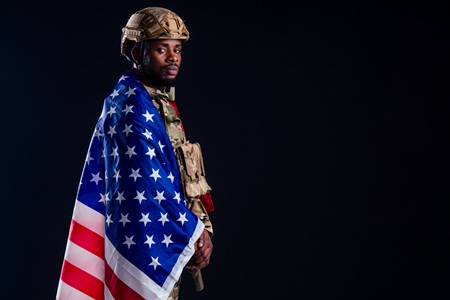
The transition from military to civilian life can feel both liberating and daunting, especially for veterans seeking a sense of direction after years of structured service. For many, the aviation industry offers a compelling path forward, blending technical skills acquired in the military with fresh opportunities for personal and professional growth. This journey—often referred to as moving from one mission to the next—requires strategic planning, practical goal-setting, and a willingness to learn new systems. As one forum contributor aptly put it, “After serving, your world opens up, but you have to steer your own ship now.”
Understanding the Transition: Challenges and Opportunities
Military personnel possess a unique skill set, but translating those skills into civilian credentials is not always straightforward. Veterans frequently face questions about aviation training for military veterans, post-military aviation training opportunities, and leveraging their experience for certifications such as the FAA Airframe & Powerplant (A&P) certification. The landscape is complex, but the potential for meaningful, high-demand careers is significant.
Setting New Goals: From the Uniform to the Hangar
Setting new goals after military service begins with a realistic assessment of one’s current skills and aspirations. Many veterans thrive in aviation maintenance technician training environments, where discipline and attention to detail are prized. Others gravitate toward roles in avionics, pursuing credentials such as the Aircraft Electronics Technician (AET) certification. The key is to identify pathways that both honor previous experience and meet current industry requirements. Sometimes, the most important mission is redefining what success looks like outside the chain of command.
For some, the transition can feel like being dropped in the deep end—suddenly, there are no more briefings at 0600, no more battle rhythms to dictate your day. Here, the lesson is clear: develop a plan, set specific milestones, and be ready to adapt. As one online commenter put it, “You don’t lose your sense of purpose. You just need to recalibrate.”
Leveraging Certifications and Education Benefits
The aviation industry recognizes the value of military training, and there are structured avenues for veterans to convert their experience into formal qualifications. For example, veteran-friendly aviation schools offer tailored support for obtaining the A&P license or AET certification. Additionally, benefits such as the GI Bill can cover the cost of aviation training programs, removing a significant financial barrier. The careful selection of certifications, such as the FCC General Radiotelephone Operator License (GROL), further strengthens employability and career advancement.
Yet, it’s not just about collecting certifications; it’s about understanding the nuances—how to get an A&P license, the difference between AET and A&P certification, and which pathways best align with your prior service. For many, the process is less about crossing the finish line and more about mastering each leg of the race.
Strategies for a Successful Career Launch
A strategic approach is essential. Begin by researching aviation maintenance courses that align with your goals and eligibility. Engage with mentorship networks, veteran communities, and industry events to stay current and connected. Many veterans discover that their soft skills—leadership, resilience, quick decision-making—are as valuable as their technical know-how. Sometimes, the most profound learning happens outside the classroom, in hangars and workshops where real-world challenges test your resolve.
In the cold, uncompromising glare of the civilian job market, it’s easy to feel exposed. But clarity comes from action. Take the first step—apply for a course, talk to a mentor, or start preparing for the NCATT AET exam. The gap between where you are and where you want to be is best bridged by momentum.
Conclusion: Mission Renewed, Purpose Redefined
Transitioning from military to civilian life in aviation is not a one-time leap, but a series of calculated steps. Each certification earned, each skill mastered, is a mission in itself—concrete proof that the journey does not end with the final salute. In this new mission, determination replaces rank, and goals are defined not by orders, but by your vision for the future. If you’re ready to set your new goals in motion, explore your training options here and chart your course with confidence.