


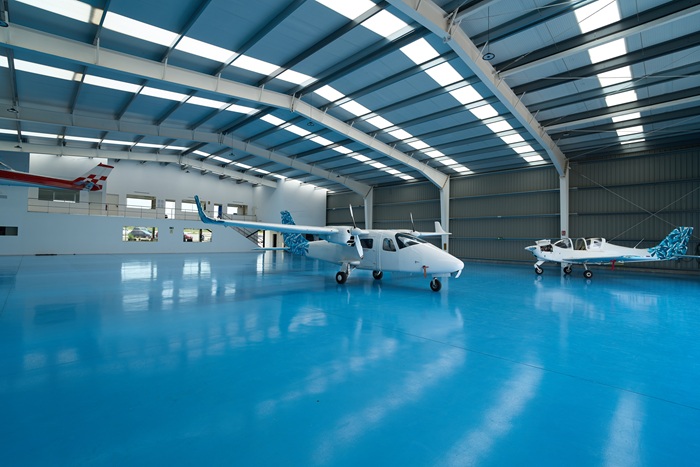
The Digital Hangar: How Tablets and Tech Are Changing Maintenance
Can you imagine a world where an aircraft maintenance technician, surrounded by tablets and smart technology, never needs to flip through a worn-out manual again? In today’s rapidly evolving aviation sector, digital transformation is no longer a futuristic concept—it’s the new standard. This revolution is not just about convenience; it’s fundamentally altering how aviation maintenance technician training is delivered, practiced, and assessed.
Tablets in the Toolbox: More Than Just a Gadget
The integration of tablets and mobile technology into aircraft maintenance represents a significant leap forward in both efficiency and accuracy. Gone are the days when aviation maintenance jobs relied exclusively on paper-based documentation and physical checklists. Today’s technicians access real-time, interactive diagrams and digital maintenance logs directly on a tablet, accelerating aircraft maintenance training and decision-making at the hangar floor.
Maintenance apps can now update instantly as aircraft manufacturers release service bulletins or regulatory changes, ensuring that aviation maintenance technicians are never working with outdated procedures. This is more than just a shift in workflow; it’s a change in culture—where learning and adaptation are constant.
Digital Credentials and New Certification Pathways
Tablets and e-learning platforms have transformed certification processes for credentials like the Aircraft Electronics Technician (AET) certification and FAA Airframe & Powerplant (A&P) certification. Interactive, online courses make it easier to prepare for exams, with features such as NCATT AET exam prep courses and GROL license exam preparation that provide instant feedback. For those coming from a military background, digital resources simplify the transition, highlighting post-military aviation training opportunities and GI Bill funding options.
While this digital approach increases accessibility and flexibility, it also demands a higher degree of digital literacy. Technicians are expected not only to maintain complex avionics but also to navigate digital learning management systems. One user on a professional forum stated, “If you can’t work a tablet, you’ll be left in the dust in today’s hangar.” This is the reality for modern aviation careers.
Benefits: Efficiency, Safety, and Transparency
The adoption of tablets brings a dramatic boost in efficiency. Technicians can instantly record inspections, upload photos, and track compliance with regulatory requirements—all from the tarmac. According to industry research, digital tools decrease administrative time and human error, and even help reduce costs associated with regulatory fines. These benefits extend to safety as well, as real-time reporting makes it possible to catch potential issues before they escalate.
There’s something almost cinematic about watching a crew troubleshoot an issue using augmented reality overlays on their devices. It’s a blend of expertise, technology, and urgency—a reminder that the stakes in aviation maintenance are always high, and the room for error is vanishingly small.
Challenges: Training, Security, and Human Factors
While the advantages of digital transformation are compelling, there are genuine challenges. Training programs must now include digital skills alongside traditional avionics technician training. There are also real concerns about cybersecurity—aircraft maintenance records and software updates are prime targets for cyberattacks. Organizations must invest in robust security protocols to protect critical information.
Moreover, not every technician adapts easily to this new paradigm. Some experienced professionals may find digital interfaces intimidating, leading to gaps in adoption. As digital and manual systems coexist, maintenance managers face the added complexity of ensuring consistency and reliability across both methods. The balance between embracing innovation and maintaining a skilled, adaptable workforce is a story still being written.
If you think aviation is immune to the same tech headaches that plague every other industry, think again. Sometimes a software update can ground a jet just as surely as a faulty sensor. In moments like these, the only thing more valuable than a new tool is a technician who knows how to use it—and knows when not to trust it.
Conclusion: Flight Plans for the Digital Future
As the aviation industry continues to evolve, one question persists: Are we ready to trust the future of flight to digital hangars and the technicians who power them? The answer may depend on our willingness to invest in comprehensive training, critical thinking, and a relentless focus on safety.
For those considering a career in aircraft maintenance, the message is clear: Aviation maintenance technician training now means mastering both the wrench and the tablet. Whether you’re seeking aviation maintenance jobs or charting a new career path, digital tools are your co-pilot. Will you be ready to answer the call when technology and tradition intersect in the hangar?