


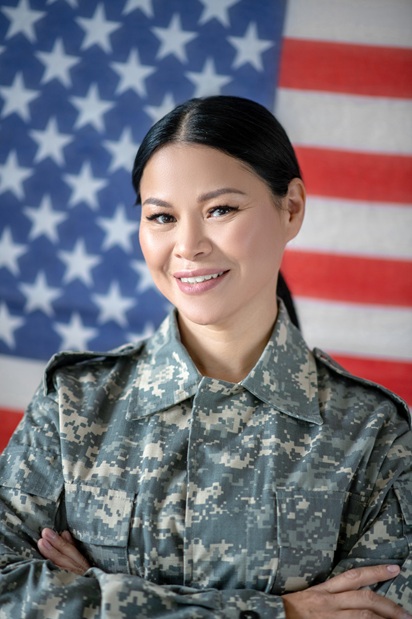
The transition from military to civilian employment is a multifaceted journey characterized by unique psychological, educational, and social dynamics. For veterans, entering the civilian workforce often presents a series of complex challenges that are distinct from those faced by non-military job seekers. This essay critically examines the five most significant obstacles encountered by veterans, with a particular emphasis on aviation-related careers and pathways to certifications such as Aircraft Electronics Technician (AET) certification and Airframe & Powerplant (A&P) certification. Understanding these challenges is essential for developing effective interventions and support mechanisms that facilitate veteran reintegration and professional fulfillment.
1. Translating Military Experience to Civilian Credentials
One of the primary barriers for veterans is the difficulty in converting military occupational specialties and experience into recognized civilian qualifications. The military environment is replete with specialized terminology and systems that often lack direct civilian equivalents, particularly in highly technical fields such as aviation maintenance and electronics. While military aircraft maintainers possess extensive practical knowledge, civilian employers and certification bodies frequently require formal documentation of competencies, such as an AET certification or an A&P license. This disconnect can undermine veterans’ employment prospects, despite their demonstrable expertise.
The inability to translate experience is not merely a bureaucratic oversight; it is a reflection of broader institutional rigidity that fails to accommodate the depth and diversity of military-acquired skills. In practical terms, this means that veterans must often engage in additional aviation maintenance training or certification courses, thereby extending the transition period and increasing financial and emotional burdens. This challenge underscores the need for systemic reform in credential evaluation and recognition practices.
2. Navigating the Certification and Licensing Landscape
The civilian aviation sector is heavily regulated, necessitating precise adherence to licensure and certification standards. Veterans interested in aviation maintenance or electronics roles must navigate a labyrinthine system of requirements, from understanding the distinctions between AET certification and A&P certification, to securing funding through the GI Bill or AF COOL. The bureaucratic intricacies of obtaining these credentials, including preparing for exams such as the FCC General Radiotelephone Operator License (GROL), present significant obstacles for veterans who may already be grappling with the psychological stresses of reintegration.
The challenge is compounded by inconsistent information dissemination and the lack of tailored guidance. Institutions and employers must move beyond mere procedural clarity and develop holistic, veteran-centric advisement systems. As anyone committed to truth and order would recognize, systems that fail to account for the psychological and practical realities of veterans are fundamentally insufficient, and risk perpetuating cycles of frustration and underemployment.
3. Cultural Adjustment and Identity Negotiation
Transitioning veterans often encounter profound cultural dissonance as they move from the structured, hierarchical military environment into the more ambiguous civilian workforce. This identity negotiation is especially acute in fields that do not explicitly value military discipline, teamwork, and leadership. For example, while veteran aircraft maintainers may excel under pressure and adhere to strict safety protocols, these competencies are not always visible or appreciated in civilian hiring processes.
The challenge, therefore, is both internal and external. Internally, veterans must reconcile a shift in professional identity and redefine their sense of purpose. Externally, employers and colleagues must cultivate inclusive organizational cultures that recognize and value the distinctive strengths veterans bring. In many ways, this is not simply an issue of skills, but of perception and narrative—a challenge that, if left unaddressed, can lead to alienation and disengagement.
The harsh reality is that society often fails to reward those who sacrifice for collective good; instead, it sometimes penalizes them for being “different.” This is not merely unfair, but counterproductive, especially in technical sectors where the stakes are high and the margin for error is minimal.
4. Accessing Veteran-Specific Resources and Support Networks
Although a plethora of programs exist to support veterans, navigating these resources can be daunting. The fragmentation of services—ranging from GI Bill education benefits to veteran-friendly aviation schools—often leads to confusion and underutilization. Effective transition demands not only awareness of available programs, such as veteran-friendly aviation schools, but also individualized guidance that aligns resources with specific career aspirations.
It is critical for educational institutions and industry organizations to provide integrated, easily accessible platforms that streamline the pathway from military service to civilian employment. As observed in many policy critiques, resource fragmentation leads to wasted potential and unnecessary hardship, particularly for those already navigating complex life transitions.
5. Addressing Psychological and Emotional Barriers
The psychological toll of military service—ranging from post-traumatic stress disorder (PTSD) to adjustment anxiety—can significantly impede workforce entry. This challenge is often exacerbated by societal misconceptions and stigma regarding mental health. In technical fields such as aviation, where safety and precision are paramount, veterans may feel pressure to conceal psychological struggles, thereby delaying critical interventions.
Organizations must move beyond superficial “veteran-friendly” rhetoric and invest in robust mental health support and peer networks. This requires confronting uncomfortable truths about institutional neglect and the necessity of sustained, holistic care. In essence, authentic reintegration is predicated not just on economic opportunity, but on the validation of veterans’ lived experiences and their right to ongoing psychological support.
The journey from military to civilian life is, at its core, a journey toward renewed purpose and self-respect. Only by acknowledging and systematically addressing these five interrelated challenges can society hope to facilitate meaningful and successful veteran transitions into the civilian workforce, especially in demanding sectors such as aviation.